
Symmetrical Face Meaning
A symmetrical face means both sides of your face look balanced. It’s rare to be perfectly symmetrical, and that makes each face unique.
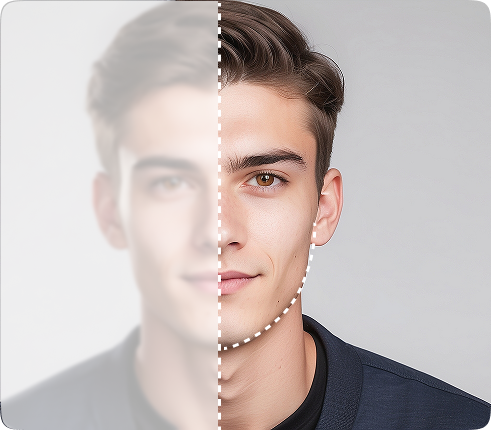
How to Calculate Face Symmetry Accurately?
Are you wondering if your face is symmetrical? With our online face symmetry checker, you don’t need any other tools. Just upload your photo, and our AI algorithm will instantly give you the symmetry score.
What Defines a Symmetrical Face in Males?
- Balanced Jawline
An evenly shaped jawline on both sides of the face.
- Alignment of Eyes
Both eyes should be at the same level with equal spacing.
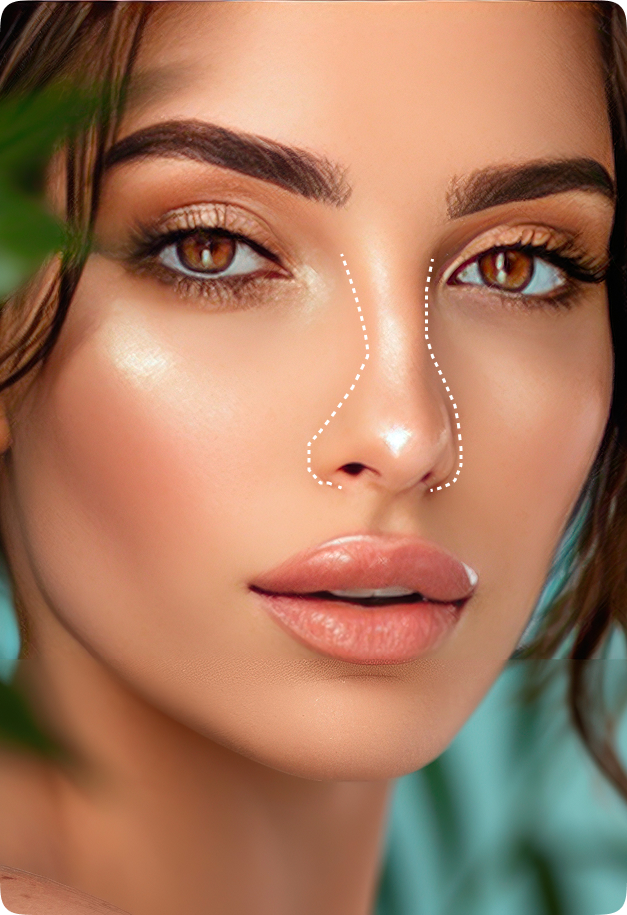
- Proportionate Nose
A centred and straight nose.
- Equal Cheekbone Height
Cheekbones that match in height and width on both the sides.
- Aligned Facial Features
When the face is divided vertically, eyebrows, lips, and chin all line up balanced.
- Natural Skin Texture
Consistent skin tone and texture across both sides of the face.
What Defines a Symmetrical Face in Females?
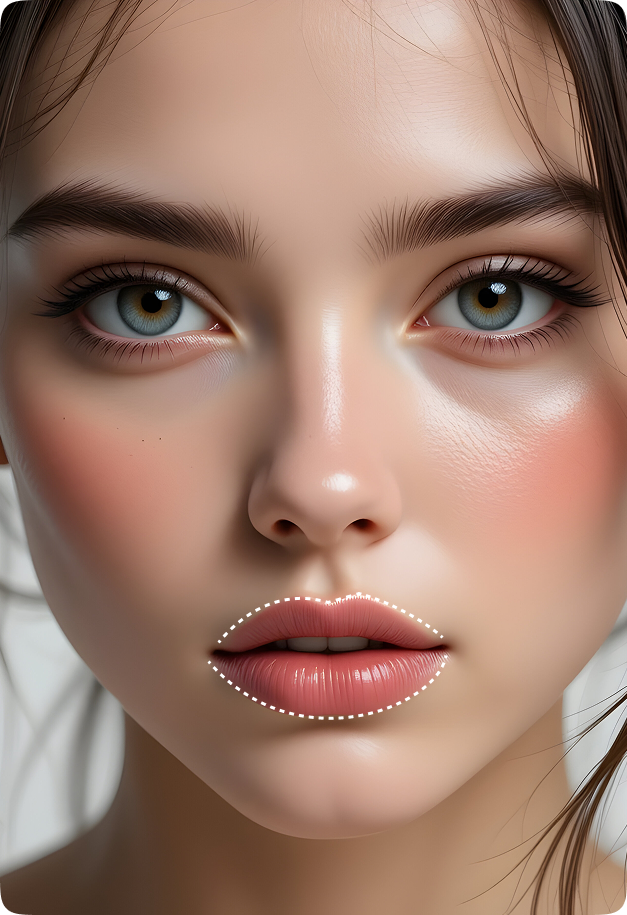
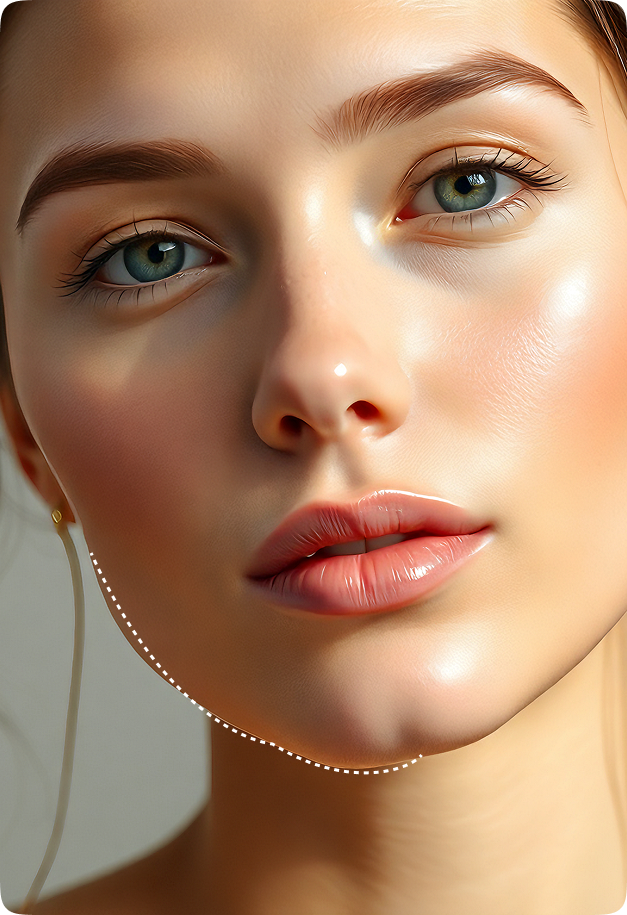
Key Features of a Symmetrical Face
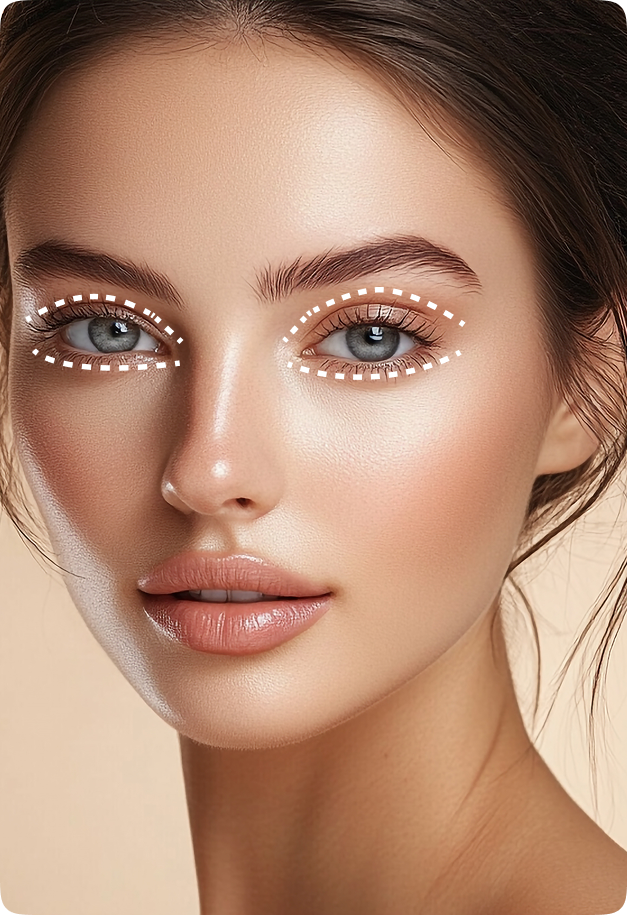
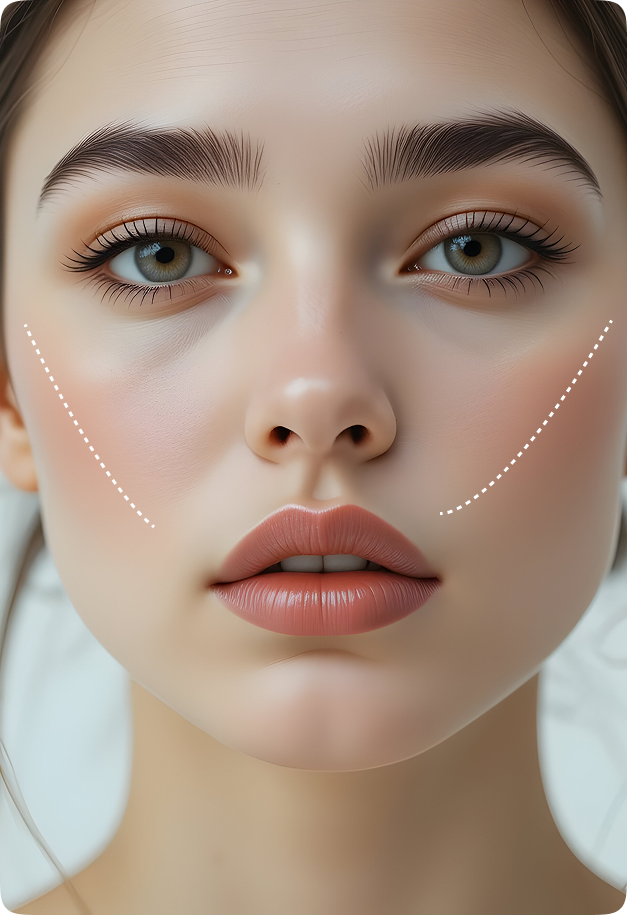
Here are the main symmetrical features that give a face its balanced look:
01
Equal Facial Proportions
02
Straight Facial Midline
03
Matching Eye Level
06
Consistent Skin Tone
05
Even Jawline
A well-defined jawline with no major differences on both sides.
04
Balanced Cheekbones
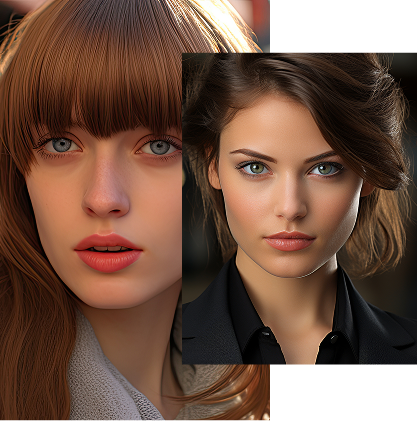
Most Symmetrical Face in the World
It is very difficult to find the perfect symmetrical face in the world. But a few studies and beauty analyses have claimed a few popular faces to appear near-perfect symmetrical. Celebrities like Amber Heard and Robert Pattinson are usually mentioned in research to measure facial balance or symmetry.
However, beauty is subjective. And all that matters is only how happy and confident you feel in your natural look.
Curious to see how your face compares?
How to Check If Your Face Is Symmetrical?
It is very easy to check the symmetry of your face. Here’s how.
Use a Mirror
Stand straight and look at your face carefully. Check if both sides look the same.
Take a Front-Facing Photo
Draw a Midline
Use Online Tools
Online face symmetry tools can estimate facial balance using photo analysis.
Try Our Symmetrical Face Test Online
Curious about your facial balance? Our symmetrical face test online helps you instantly see how aligned your features are.
Facial Exercises for a More Symmetrical Face
No single exercise can give you a perfectly symmetrical face as it's determined by genetics. But you can try strengthening your facial muscles to create a more balanced look.
Jawline Stretches
- Tilt your head back until you are looking at the ceiling.
- Move your lower jaw forward. You should feel a stretch under your chin and jaw.
- Hold this position for 10 seconds. Then return to a normal position.
- Repeat 10-15 times for one set. Go for 2-3 sets per day.
Cheek Lifts
- Smile as wide as you can. Don’t show your teeth.
- Place your fingertips on the tops of your cheekbones.
- Gently push up on your cheeks to lift them higher.
- Hold for 10-15 seconds. Then relax.
- Repeat 10-15 times for one set. Try to do 2-3 sets daily.
Eyebrow Tilts
- Place the index and middle fingers of both hands on your forehead, above your eyebrows.
- Press down to hold your eyebrows in place.
- Try to raise your eyebrows, using the muscles under your fingers.
- Hold for 5-10 seconds. Then relax.
- Repeat 10 times for one set. Do this 2-3 times a day.
Symmetrical Face Check: Quick & Easy
Our symmetrical face identifier gives you a detailed look at how each feature aligns on both sides of your face.



Face Symmetry Check Online Anytime
With our face symmetry check online, you can test from anywhere. No downloads or complex steps needed.
Symmetrical Face Calculator & Detector
The symmetrical face calculator works as a symmetrical face detector. It delivers your symmetry score in just seconds. See if your face is balanced.
Frequently Asked Questions
Still have a questions?
Symmetrical facial features mean the left and right sides of your face look very similar when divided down the middle. Things like your eyes, eyebrows, cheekbones, nose, lips, and jawline are even so your face looks balanced overall.
Not really! Most faces are slightly asymmetrical. Tiny differences between the two sides of the face are completely normal and happen naturally due to genetics, aging, or even daily habits like sleeping on one side.
To some extent, yes. Major changes usually require medical or cosmetic treatments. But smaller improvements can happen through lifestyle choices like practicing good posture, doing simple facial exercises, or correcting habits such as chewing on one side of your mouth too often.
Symmetrical faces often look balanced. Both sides are the same in shape and size. It gives a sense of natural harmony when you look at someone’s face.
You can’t control genetics, but you can focus on:
- Healthy diet and hydration for skin quality
- Sleeping evenly on both sides
- Practicing facial exercises for muscle tone
- Managing stress, as it affects facial muscles and skin health
Good dental care to maintain jaw alignment
Research shows that people often find symmetrical faces more attractive because symmetry signals health and balance. However, personality, confidence, and unique features play important role in real-life attractiveness.
The easiest way is to use our face symmetry checker online. Just upload a front-facing photo, and the AI tool will analyze both sides of your face and give you a symmetry score in just seconds.



