
Face Symmetry Types
Face symmetry types describe how evenly facial features align on the left and right sides of the face. While some faces appear more symmetrical, others show natural asymmetry that adds character and individuality. Understanding these face symmetry types can help you better interpret your facial balance and what it means visually.
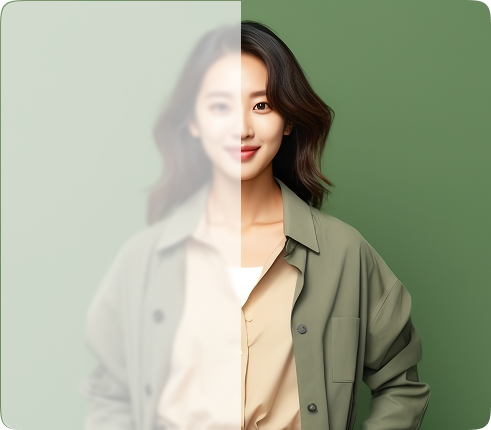
Symmetrical face
A symmetrical face means that the left and right sides of the face closely resemble each other when divided down the center. Facial features such as the eyes, eyebrows, cheekbones, jawline, and lips appear more evenly aligned. However, perfect symmetry does not exist, and small differences are completely natural.
Faces with higher symmetry are sometimes Often perceived as natural, unique, or expressive, but this perception varies widely. Many well-known and admired faces still have visible asymmetry, which often contributes to uniqueness and personality.
Common traits of a symmetrical face
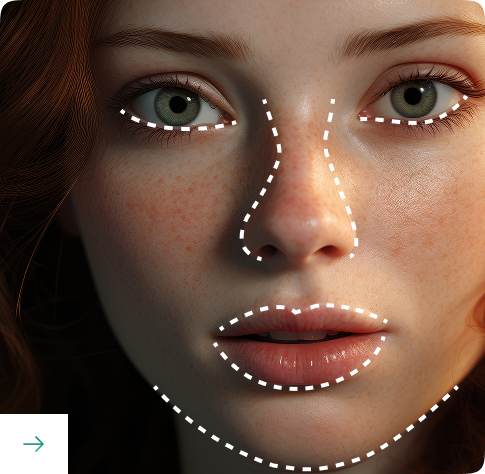
Even eye shape and size
Balanced cheekbones
Aligned nose and lips
Consistent jawline
Why do people like symmetrical faces?
Some studies suggest facial balance can influence perception, as humans naturally recognize patterns and symmetry. However, preferences differ across cultures, individuals, and contexts. Symmetry alone does not define attractiveness, personality, or value.
How Symmetry Is Identified in Faces
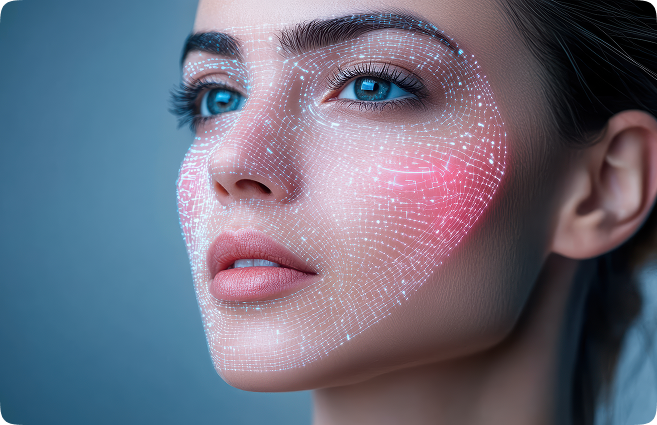
Facial symmetry is identified by comparing the position and proportions of features on both sides of the face. Tools like online face symmetry tests use image analysis to estimate this balance, but results depend on lighting, angle, and facial expression.
Asymmetrical face
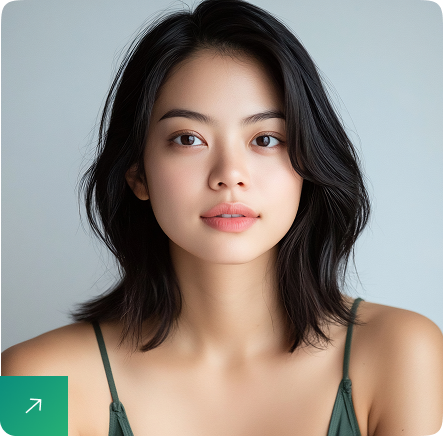
An asymmetrical face means that the left and right sides of the face show visible differences in size, position, or shape. This can include variations in eye height, cheekbone prominence, or jawline structure. Facial asymmetry is extremely common and is a normal part of human appearance.
Common Traits of an Asymmetrical Face
Uneven eye size or shape:
One eye might sit slightly higher or appear smaller.
Nose or lip tilt
The nose may lean slightly to one side, or the smile curve might be uneven.
Different cheekbone heights
One cheekbone could be more defined than the other.
Jawline variation
One side of the jaw may appear sharper or fuller.
What makes an asymmetrical face unique?
Asymmetry often gives a face its personality and charm. The little differences, like a unique smile curve, a slightly tilted nose, or uneven dimples, are what make a face stand out. They add warmth, character, and a sense of realness that perfectly symmetrical faces sometimes lack. Asymmetry often adds individuality and character, and it does not indicate anything negative about facial appearance.


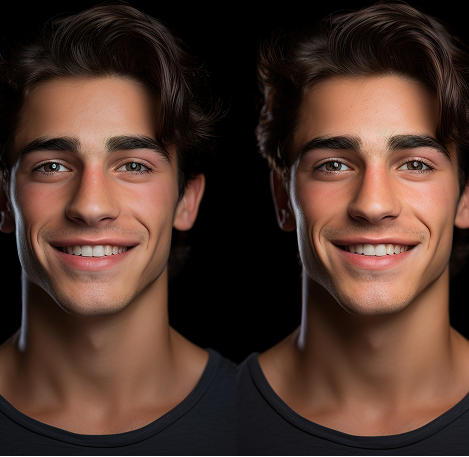
How to detect an asymmetrical face?
Asymmetrical face vs Symmetrical face
See how an asymmetrical and symmetrical face differs and what each says about your unique look.
Feature / Aspect
Symmetrical Face
Asymmetrical Face
- Overall Look
Both sides of the face look nearly identical
Left and right sides look slightly different
- Facial Balance
Evenly balanced features create a harmonious appearance
Unique variations add character and individuality
- Eye Shape & Size
Eyes appear similar in size and shape
One eye may appear smaller, larger, or sit slightly higher
- Cheekbones
Both cheekbones are equally defined
One cheekbone might be higher or more prominent
- Nose & Lips
Nose sits straight, lips have even curves
Nose may tilt slightly, lip curve might be uneven
- Jawline
Both sides of the jawline appear equally sharp or smooth
One side may look sharper or fuller
- Visual Perception
Seen as harmonious and conventionally attractive
Seen as natural, unique, and memorable
- Personality Factor
Often gives a classic, balanced look
Adds charm, warmth, and individuality
- Detection
Easier to spot in straight-on photos
Differences become noticeable in photos or close observations
Factors That Can Influence Facial Appearance
Facial appearance can be influenced by posture, expressions, lighting, and daily habits. Minor asymmetry is normal and does not require correction. The points below focus on general appearance considerations rather than cosmetic or medical advice.
Posture matters
Slouching can make one side of your face look different over time. Sit and stand straight to keep things aligned.
Facial exercises
Gentle exercises for your jawline, cheeks, and forehead can improve muscle tone and make features appear more balanced.
Skincare & hydration
Clear, healthy skin often gives the illusion of a more even face.
Good lighting in photos
Sometimes it’s not the face but the way light falls on it that creates asymmetry in pictures.
Makeup tricks
Contouring and highlighting can balance out uneven features instantly.
Hairstyles & accessories
Gentle exercises for your jawline, cheeks, and forehead can improve muscle tone andThe right haircut or glasses frame can make your face look more proportionate. make features appear more balanced.
Professional treatments (optional)
For those who want to go further, options like orthodontics or cosmetic treatments are available.
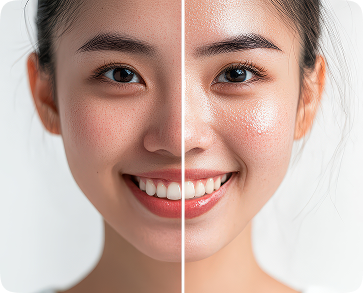
For informational purposes only. Cosmetic or orthodontic procedures should always be discussed with qualified professionals.
Test your face symmetry
Curious to check how symmetrical your face is? It’s super simple.
Step-1
Step-2
Step-3
Frequently Asked Questions
Still have a questions?
In reality, no human face is 100% symmetrical. Tiny differences in muscles, bone structure, and even daily habits make perfect symmetry nearly impossible. And that’s okay because it’s those small differences that make faces interesting and unique.
Yes. Facial asymmetry is completely normal and very common. Most people have slight differences in eye level, cheekbone position, or jawline shape. Facial asymmetry does not indicate any health or appearance issue and often adds uniqueness to a face.



