
Asymmetrical Face
An asymmetrical face refers to a face where the left and right sides do not align evenly in shape, size, or position. This can include differences in eye level, cheekbone prominence, jawline shape, or facial midline alignment. Facial asymmetry is extremely common and is a natural part of human appearance.
How Facial Asymmetry Is Measured
Facial asymmetry is measured by comparing the position and proportions of facial features on both sides of the face. Image analysis tools detect facial landmarks to estimate these differences, but results can vary depending on lighting, angle, and facial expression.
What Defines an Asymmetrical Face in Males?
These characteristics are general observations and vary widely between individuals.
- Uneven Jawline
01
- Eye Misalignment
02
- Off-Center Nose
03
- Unequal Cheekbone Height
04
- Facial Feature Imbalance
05
- Different Skin Texture
06
What Defines an Asymmetrical Face in Males?
These characteristics are general observations and vary widely between individuals.
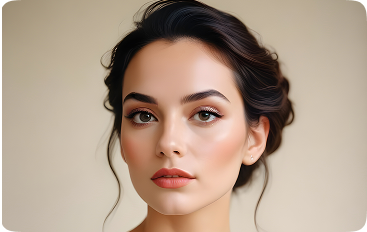
- Uneven Eye Shape & Size
- Unbalanced Cheekbones
- Off-Center Nose

- Uneven Lips
- Irregular Jawline
- Asymmetrical Face Shape
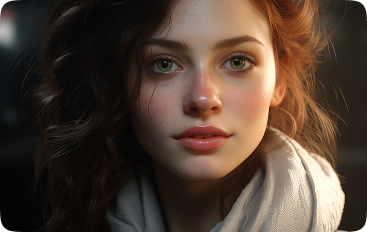
Key Features of an Asymmetrical Face
These features describe common variations in facial alignment and do not indicate anything negative about appearance.
- Uneven Jawline
- Tilted Facial Midline
- Different Eye Levels
- Unbalanced Cheekbones
- Irregular Jawline
- Varied Skin Texture
Ways to Observe Facial Asymmetry
Facial asymmetry can be observed visually or estimated using photo-based tools. The steps below describe common ways people explore facial balance.
Use a Mirror
Take a Front-Facing Photo
Draw a Midline
Use Online Tools
Online face symmetry tools can provide an estimate of facial balance using image analysis.
Facial Awareness and Appearance Factors
Facial asymmetry is largely influenced by genetics, and no exercise can create perfect symmetry. The activities below focus on facial awareness and relaxation rather than structural changes.
- Take a deep breath and puff air into just one cheek.
- Hold for 10 seconds, then switch to the other cheek.
- This helps strengthen both sides evenly over time.
- Repeat 10–15 times per set. Do 2–3 sets daily.
- Sit upright and relax your shoulders.
- Slowly open your mouth as wide as possible without stress.
- Move your lower jaw slightly toward the side that looks weaker.
- Hold for 5–10 seconds, then return to normal.
- Repeat 8–10 times per set.
- Smile naturally using only the side of your mouth that feels less active.
- Hold the smile for 10 seconds, then relax.
- This engages weaker muscles for better balance.
- Do 2–3 sets of 10 reps daily.
- Place your fingers gently on your forehead.
- Massage the side that looks tighter or more wrinkled in small circles. Do this for 1–2 minutes.
- This helps release tension and it softens uneven expressions.
These activities are for general awareness only and are not medical or cosmetic treatments.
Asymmetrical Face Test
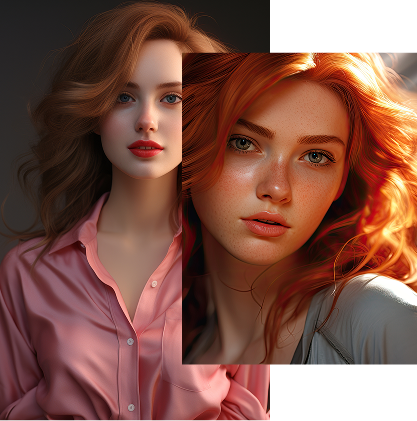
Common Types of Facial Asymmetry
01
Fluctuating Asymmetry
02
Even eye shape and size
03
Developmental Asymmetry
04
Acquired Asymmetry
Frequently Asked Questions
Still have a questions?
Yes, it can be! Many people find unique facial features charming and memorable. In fact, most celebrities and models have some level of asymmetry. That makes them unique. Confidence, expression, and personality matter way more than perfect balance.
It usually means nothing serious! Most people’s faces are naturally uneven because of genetics, habits, or aging. In rare cases, sudden changes in facial symmetry should be checked by a doctor. But don’t take the small variations seriously.
Yes. Many people find facial asymmetry attractive because it adds individuality and character. Perceptions of appearance vary widely, and symmetry is only one of many factors.
Some think facial asymmetry symbolizes individuality and character. However, scientifically, it just reflects natural differences in growth, genetics, or muscle use. There’s no single meaning.



